Work by Sannidhyaa Giri and whole team.
What is Sustainable Development?
All systems and societies naturally develop. However, In this day and age, development is moving at breakneck speeds, thanks to advancements in technology. The only problem is that not everyone considers the downsides that come along with unbalanced economic growth including impacts on people’s well-being and environment.
It’s about time people start to change their perspective on unbalanced economic development by viewing the world in a completely different way. What would help people achieve that is setting sustainable development goals.
Sustainable development is the practice of using guidelines for environmentally responsible and energy savings to create new development projects and to maintain and retrofit older projects.
It can include using green materials in new construction, designing projects that can harvest their own energy to reduce the load on a power grid, or that incorporate green space in order to counterbalance the green space removed to build the onsite facilities

There are 3 components of sustainable development – economic growth, environmental stewardship, and social inclusion. Countries are recognizing the importance of conserving natural resources, people are switching to cycling instead of driving that will improve their health, farmers are practicing climate-smart agriculture and industries are realizing as to how much they can save through energy efficiency.
Goals of Sustainable Development
There are three primary goals of sustainable development:
- To minimize the depletion of natural resources when creating new developments.
- To create a development that can be maintained and sustained without causing further harm to the environment.
- To provide methods for retrofitting existing developments to make them environmentally friendly facilities and projects.
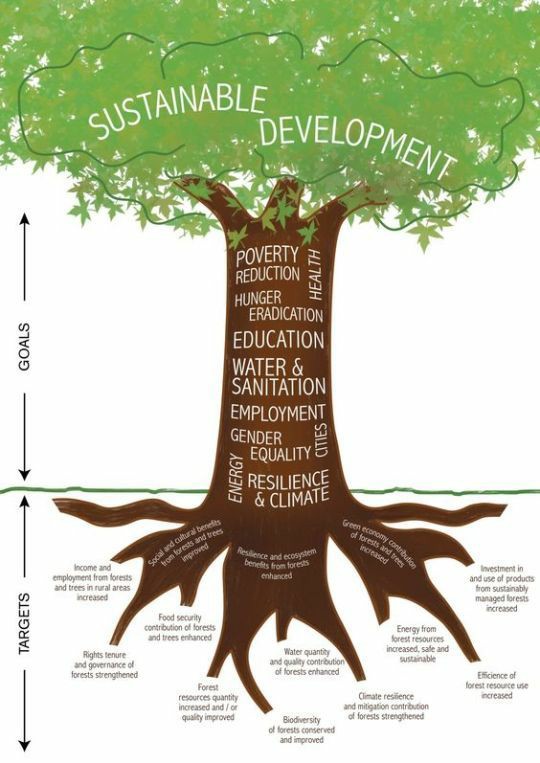
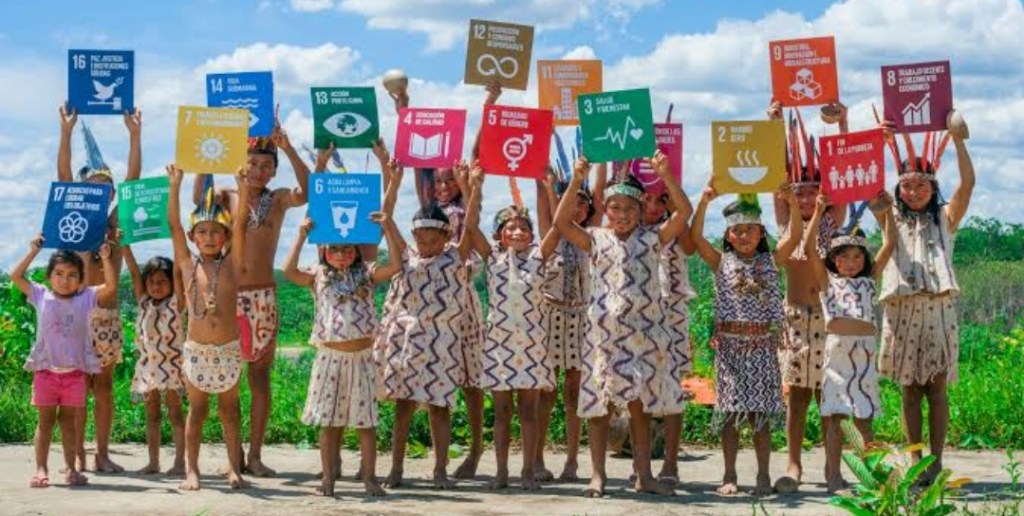
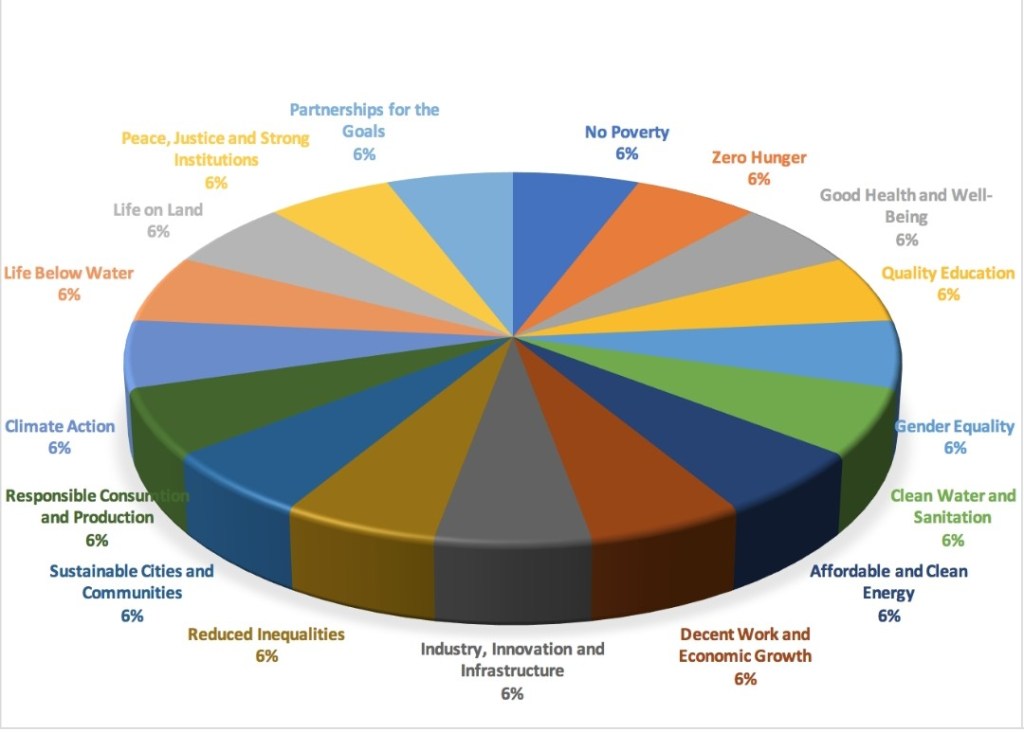
Global organizations such as the United Nations, NGOs, aid organizations and even governments are increasingly sponsoring efforts to ensure sustainable development goals are realized for every individual across the board. Some other most important sustainable development goals set by these bodies include:

1. Eradication of poverty across the world
These organizations primarily focus on the least developed and low-income countries where poverty is rife.
They aim to eradicate poverty across the board by expanding social protection programs like school feeding, cash transfers, targeted food assistance, social insurance and labor market programs such as skill training, old-age pensions, wage subsidies, unemployment insurance, disability pensions and so on.
2. Promotion of good health and well being
This sustainable development goal seeks to ensure good health and well-being for all at each stage of life. The goal takes into account all the main health priorities such as maternal and child health, reproductive health, environmental, communicable and non-communicable diseases, universal health coverage, and access to quality, safe, effective, and affordable vaccines and medicines.
3. Provision of Quality Education For All
These bodies have realized that the level of child school dropout is at an all-time high. This gap must be closed to ensure sustainable future development even as international communities work to ensure quality and equity in the education sector.
In a nutshell, this goal seeks to ensure equitable and inclusive quality education and promotion of long-life learning opportunities.
4. Provision of Clean Water and Sanitation
Water and sanitation are on top of the chart regarding sustainable development. They are critical to the survival of humans and the planet. This goal aims to address aspects relating to sanitation, hygiene, drinking water and the quality and sustainability of water resources across the globe.
5. Building up Strong Infrastructure, Supporting Inclusive and Sustainable Industrialization and Incubating Innovation
This goal takes into account three aspects of sustainable development: industrialization, infrastructure, and innovation. Infrastructure is vital because it offers the basic framework necessary to smooth the running of enterprise and society at large.
Industrialization drives up economic development, yield job opportunities, hence, reducing levels of poverty. Innovation enhances the technological abilities of industrial sectors and triggers the development of innovative skills.
6. Enabling Access to Affordable and Clean Energy
Energy is the most critical resource to achieving most of the sustainable development goals. Energy plays a vital role in mitigating poverty through advancements in industrialization, education, water supply and health and fighting climate change.
This sustainable development goal focuses on developing and expanding renewable energy resources such as sun, wind, hydropower, liquid and solid biofuels, biogas and geothermal.
These renewable sources of energy don’t emit greenhouse gasses to the atmosphere and therefore are ideal for the environment and human health.
7. Achieving Gender Equality
In the past few decades, gender equality and women empowerment have been agendas for most governments for long-term sustainable development.
Access to education for girls has since improved, the percentage of child marriage has plummeted, and huge leaps have been taken in the domain of sexual and reproductive health and rights such as the dramatic reduction in maternal health.
Although there is still a long way to go to reach this milestone, organizations are using every ounce of their energy and throwing in resources to ensure the dream is realized.
How Can We Make it Happen?
To make sustainable development the norm, we have to change the vision of the cultures of each country. To change the vision of the culture two things have to occur.
- The culture must value a global benefit more than a local one.
- A responsibility towards providing and sustaining resources for the future must be of more value than profit in the present must be developed.
Both of these are very hard to do because it requires an element of self-sacrifice to be adopted by the present society. The value of the future is something that is not held in high esteem when it comes to creating a profit, or to living with convenience.
The general self-focus of each generation is understandable, but as history has shown in other areas – it can be expanded to include a sense of responsibility towards futures unknown that will allow for different choices to be made in the present.

What Prevents Sustainable Development From Happening?
There are two major issues that prevent sustainable development from happening.
The first is that for many aspects of development, using sustainable methods and materials is expensive. While the long-term cost of sustainability does prove to be less expensive than traditional development, the creation of a sustainable project may be far more expensive in the first phase.
The second major issue is that there is not a generally accepted need for sustainable development. This is an education issue that may take many years to resolve.
Contractors and investors cannot see the importance of sustainable projects when they cost more to initiate. When the goal is to make money in the short term, it can be very difficult to generate a long-term vision that is required to understand the importance of sustainability.

Importance of Sustainable Development
Sustainable development is a hard topic to nail down because it consists of a wide range of things. Due to the technicality and complexity of this topic, it’s best to check out its importance holistically to be able to grasp it easily.
The population is the main factor driving up sustainable development campaigns. So, the importance of sustainable development can be viewed from this perspective:
1. Provides Essential Human Needs
The explosion of population means people will have to scramble for the limited life essentials like food, shelter, and water. Adequate provision of these basic needs almost entirely hinges on infrastructure capable of sustaining them for a long time.https://tpc.googlesyndication.com/safeframe/1-0-38/html/container.html
If governments insist on utilizing fossil fuel-based sources of energy instead of renewable and sustainable options, the cost and environmental effects of supplying these basic needs would become a tall order.
2. Agricultural Requirement
A growing population means agriculture must catch up. Finding ways to feed more than 3 billion people can be staggering. If the same unsustainable cultivation, planting, irrigation, spraying, and harvesting techniques are utilized in the future, they might prove to be financially burdening considering fossil fuel resources are projected to run out.
Sustainable development focuses on sustainable agricultural methods such as effective seeding techniques and crop rotation to promote high yields while maintaining the integrity of the soil, which produces food for a large population.
3. Manage Climate Change
Climate change can be mitigated by sustainable development practices. Sustainable development practices seek to reduce the use of fossil-based sources of fuel like oil, natural gas, and coal. Fossil fuel sources of energy are unsustainable since they will deplete in the future and are responsible for the emission of greenhouse gasses.READ Causes, Effects, and Impressive Solutions to Soil Erosion
4. Financial Stability
Sustainable development practices have the ability to create more financially sustainable economies across the globe. Developing countries that can’t access fossil fuels can leverage renewable forms of energy to power their economies.null
From the development of renewable energy technologies, these countries can create sustainable jobs as opposed to finite jobs based on fossil fuel technologies.
5. Sustain Biodiversity
Unsustainable development and overconsumption practices greatly impact biodiversity. The life ecosystem is designed in such a way that species depend on one another for survival. For instance, plants produce oxygen that humans need for respiration.
Humans exhale carbon dioxide that plants need for growth and production. Unsustainable development practices like emission of greenhouse gasses in the atmosphere kill many plant species resulting in the reduction of atmospheric oxygen.
This is not good for humans. Sustainable development practices encourage the use of renewable energy resources and organic farming practices that do not emit any greenhouse gas to the atmosphere
greenhouse gas to the atmosphere.
Examples of Sustainable Development
Wind Energy
Wind energy is energy harnessed from the motion of wind using wind turbines or windmills. Wind energy is renewable, which means it’s never-ending and can be used to substitute energy at the grid. This makes it a good sustainable development practice.
Solar Energy
This is energy harnessed from the sun using solar panels. It’s advantageous since it’s absolutely free and its supply is infinite. These factors make it beneficial to consumers and good for Mother Nature because it doesn’t contribute to the emission of greenhouse gasses.
Green Space
Green spaces are locations where plants and animals are left to flourish. Parks also fall into the category of green spaces. Green spaces provide people a remarkable opportunity to take pleasure in outdoor recreation, more so in big cities, where resting space is hard to come by.
Green spaces also help regulate climate and quality of air, insulate rivers and streams from polluted runoff and lowers energy usage by dealing with the warming impacts of paved surfaces.
Crop Rotation
Crop rotation is the practice of planting different crops in the same farm to enhance soil fertility and assist control diseases and insects. Crop rotation is beneficial in many ways; most importantly, it’s chemical-free. This means using this farming practice maintains the integrity of your soil, making it a sustainable development practice.

That’s our team’s work on sustainable development.Hope you liked it.
Regards,
Sannidhyaa Giri and Team
 Sustainable Development